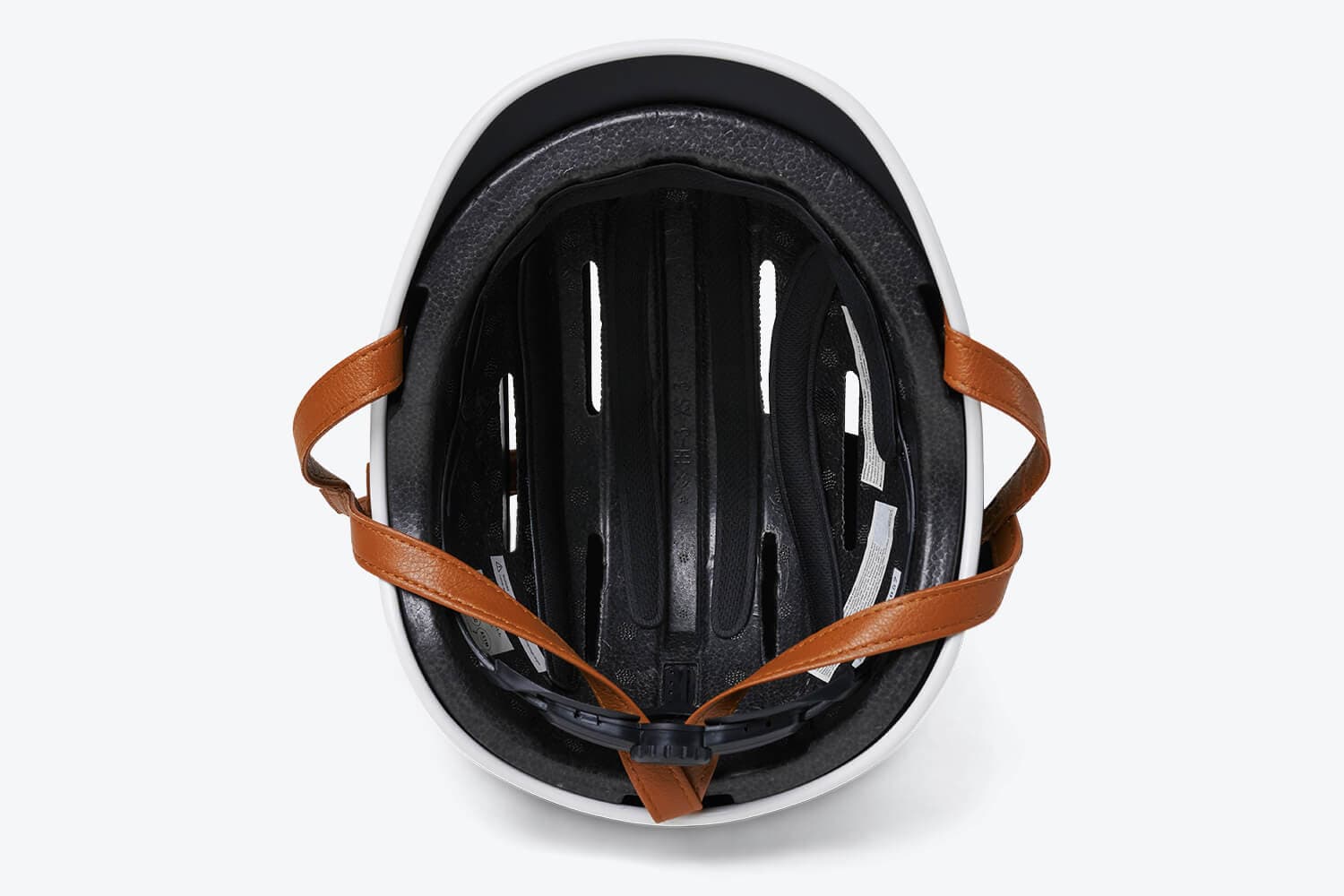
How to Choose the Best Bike Helmet For Your Child

Bike Safety 101: Choosing the Best Helmet for Your Child

Choose the Best Bike Helmet For Your Child Intro

Ensuring your child’s safety while riding a bike is paramount. Choosing the right helmet is critical in protecting them from potential injuries.

Bike safety is about teaching your child how to ride and equipping them with the necessary protective gear.

Selecting the perfect helmet involves more than just picking a design your child likes.

Factors such as fit, comfort, and compliance with safety standards must be considered.

A well-fitted helmet can significantly reduce the risk of head injuries, making it an indispensable part of your child’s biking gear.

Schwinn Classic Bike Helmet for Kids, Pink and Orange, 48-52 cm Helmet for Kids Ages 3-5, Ultra Lightweight, Adjustable Dial, Full Coverage with Vented Airflow, Infant and Toddler Bike Helmet
  • ADORABLE PROTECTION: This infant bike helmet features a pink and orange wave design little ones will love to wear. Sized for toddlers ages 3-5 with a head circumference of 48 – 52 cm.
  • 360-DEGREE DIAL FIT: This little boys and girls bike helmet features an adjustable dial fit system and full-range interior padding – providing a snug, secure fit that grows with your child.
  • FOR COMFORTABLE RIDES: Designed with a super lightweight shell and multiple air vents, this helmet for toddlers works to keep kids cool and comfortable, while an integrated visor helps shield eyes from the sun.
  • DURABLE, PROTECTIVE BUILD: Lower molded shell enhances rear coverage and durability. Complies with U.S. CPSC Safety Standard for Bicycle Helmets for Persons Age 1 and Older (Extended Head Coverage).
  • TRUSTED SCHWINN QUALITY: Schwinn is the original American bike brand. We’ve spent over 130 years building the bicycle industry into what it is today, and we’re not done yet. Each ride is designed in Madison, WI.

Last update on 2026-03-11 / Affiliate links / Images from Amazon Product Advertising API

Key takeaway: Selecting the right bike helmet is crucial for your child’s safety and comfort on rides.

We’ve gathered expert advice and recommendations to help you make an informed choice.

This guide will help you understand safety standards, key features to look for, advanced technologies that enhance protection, and tips on maintaining a long-lasting helmet.

Understanding Helmet Safety Standards

When choosing a bike helmet for your child, it’s important to ensure it meets the necessary safety certifications.

Look for helmets with the CPSC (Consumer Product Safety Commission) and ASTM (American Society for Testing and Materials) certifications.

CPSC Certification

The CPSC standard is a mandatory safety requirement in the United States.

Helmets with this certification have undergone rigorous testing to ensure they provide adequate protection against head injuries during bike accidents.

These tests include:

  • Impact attenuation: Measures the helmet’s ability to absorb shocks.
  • Retention system strength: Ensures the chin strap remains secure under stress.
  • Positional stability: Check that the helmet stays in place during sudden movements.

ASTM Certification

ASTM certification, while not mandatory, offers an additional layer of assurance.

Helmets meeting ASTM standards have passed similar tests to those required by the CPSC but often include supplementary evaluations like:

  • Penetration resistance: Ensures that sharp objects cannot pierce the helmet.
  • Shell durability: Tests the outer shell’s ability to withstand wear and tear over time.

Importance of Compliance

Compliance with these safety standards is crucial for effective protection against impacts.

Helmets without these certifications may look appealing but can fall short of providing the necessary protection.

Always verify that a helmet meets at least the CPSC standard before purchasing.

Doing so ensures your child has a reliable defense mechanism during their rides, significantly reducing the risk of severe head injuries.

Key Factors to Consider When Choosing a Bike Helmet for Your Child

Helmet Positioning and Forehead Coverage

Ensuring a proper fit for kids’ helmets is critical for effective protection.

Start by measuring your child’s head circumference about an inch above the eyebrows.

This will help you choose the right size helmet.

Once you have the correct size, follow these guidelines to position the helmet correctly:

  • Level Fit: The helmet should sit level on your child’s head, not tilted forward or backward. A level fit ensures even weight distribution and maximizes protection.
  • Forehead Coverage: Make sure the helmet adequately covers the forehead. It should rest about two finger widths above the eyebrows. This coverage is essential for protecting the brain’s frontal lobe, which is vulnerable during falls.
  • Helmet Adjustment Techniques: Use adjustable pads or a dial system to fine-tune the fit. Adjust until the helmet feels snug but not tight.
  • Secure Straps: The side straps should form a “V” under each ear, with the buckle centered under the chin. Tighten the chin strap so only two fingers can fit between it and your child’s chin.

Proper positioning and secure adjustments regarding child bike helmets are non-negotiable.

These steps ensure that the helmet stays in place in case of an accident, providing much-needed protection.

Remember, even with all these adjustments, it’s crucial to regularly check that the helmet maintains a good fit as your child grows.

Frequent fit checks can prevent discomfort and ensure continuous safety.

3. Chin Strap Fit and Retention System Security

Ensuring a proper chin strap fit is essential for stability and safety during rides.

A well-secured chin strap keeps the helmet in place, preventing it from shifting during an impact.

Steps to ensure a secure chin strap fit:

  1. Measure Head Circumference: Use a measuring tape to measure your child’s head circumference about an inch above the eyebrows. This helps select the right helmet size, ensuring it sits snugly without being too tight.
  2. Proper Fit Techniques: Fasten the chin strap to form a “V” shape under each ear. Adjust the straps, leaving enough room to fit two fingers between the strap and the chin. This ensures the balance between comfort and security.
  3. Retention System Adjustments: Most helmets have adjustable dials or pads for fine-tuning the fit. Regularly check and adjust these systems to accommodate any growth or changes in your child’s head size.
  4. Helmet Positioning: Ensure the helmet sits level on your child’s head, covering the forehead adequately. It should rest about two finger widths above the eyebrows, neither tilting forward nor backward.

A correctly fitted chin strap paired with proper helmet positioning maximizes protection, keeping your child safe and comfortable during their rides.

4. Lightweight Helmets for Enhanced Comfort During Rides

Choosing lightweight helmets offers significant benefits for children.

A lighter helmet reduces the strain on your child’s neck and shoulders, making rides more enjoyable.

Comfort is crucial in ensuring children wear their helmets consistently, directly impacting their safety.

To achieve a proper fit:

  • Measure your child’s head circumference about an inch above the eyebrows to determine the correct size.
  • Adjustment systems such as dials or pads are used to fine-tune the fit. These systems help in achieving a snug fit without compromising comfort.
  • Ensure the helmet sits level on the head, covering the forehead adequately to provide optimal protection.

Helmet positioning and forehead coverage are also essential for safety and comfort.

The helmet should rest about two finger widths above the eyebrows and not tilt forward or backward.

KALI PROTECTIVES Chakra Child Helmet, Solid Blue, XS (0221021114)
  • Your Kid’s Safety is A Priority: Our Chakra Child helmet for kids has an integrated visor for protecting the eyes from sunlight. The Dial Fit Retention System in our helmet aids easy adjustment and a secure fit
  • The inner lining gives a soft feel for a comfortable fit.
  • Crafted with a single-piece design, the helmet combines lightweight structure with extended coverage to support a comfortable and reliable riding experience.
  • Maximum Ventilation for A Cool Trip: Our Chakra Child bike helmet for kids is designed with 21 vents
  • Design and Cute Colors: Our chakra kids bicycle helmet comes with a buckle and slider that can be easily adjusted. The attractive colors and and design makes them the best choice of gift for kids.

Last update on 2026-03-11 / Affiliate links / Images from Amazon Product Advertising API

5. Ventilation Features for Warm Weather Riding Sessions

Ensuring proper ventilation in a bike helmet is crucial to keeping your child cool during warm weather rides.

Good airflow helps prevent overheating and discomfort, which can distract from the joy of cycling.

Key Points to Consider:

  • Airflow Design: Look for helmets with multiple vents to facilitate better airflow. The more vents, the cooler your child will stay.
  • Vent Placement: Ensure that vents are strategically placed to allow air to flow over the head and out the back of the helmet.
  • Internal Channels: Some advanced helmets feature internal channels that guide air through the helmet, enhancing cooling efficiency.

Tips for Assessing Ventilation:

  • Check the Vent Count: Higher vents generally indicate better ventilation.
  • Inspect Vent Size and Shape: Larger or elongated vents can improve airflow.
  • Test Fit with Vents in Mind: Ensure the helmet’s fit does not obstruct any ventilation features. A snug fit is essential, but it shouldn’t compromise airflow.

A well-ventilated helmet balances safety and comfort, ensuring your child remains protected without sacrificing their riding experience.

Advanced Safety Features That Can Make a Difference

MIPS Technology

Multi-directional Impact Protection System (MIPS) technology is one of modern bike helmets’ most advanced safety features.

It is designed to reduce rotational forces that can occur during certain impacts.

Here’s how it works:

  • Layered Construction: MIPS helmets feature a low-friction layer inside the helmet. This layer allows the helmet to slide relative to the head, which can reduce the rotational force transferred to the brain during an angled impact.
  • Enhanced Protection: By mitigating rotational motion, MIPS technology provides an additional layer of protection beyond what traditional helmets offer.

Benefits of Choosing a Helmet Equipped with MIPS

  • Improved Safety: Helmets with MIPS technology offer better protection against rotational forces, often responsible for serious brain injuries.
  • Increased Peace of Mind: Knowing that your child’s helmet includes this advanced safety feature can give you confidence in its protective capabilities.

Role of Shock-Absorbing Foam in Impact Protection

Shock-absorbing foam reduces the impact forces that reach your child’s head during a fall or collision.

High-quality kids’ helmets use different types of foam materials for optimal protection.

  • Expanded Polystyrene (EPS): This is one of the most common materials used in bike helmets. EPS foam is lightweight and has excellent impact absorption properties, making it ideal for protecting against high-impact crashes.
  • Expanded Polypropylene (EPP): EPP foam is more flexible and durable than EPS. It can withstand multiple impacts without losing its protective qualities, making it suitable for active children who may experience frequent tumbles.
  • Advanced Materials: Some premium helmets incorporate multi-density foam layers or other advanced materials to enhance shock absorption and evenly distribute impact forces.

Selecting a helmet featuring these advanced safety components significantly enhances your child’s overall protection on their biking adventures.

Design Considerations That Appeal to Kids’ Preferences

Cool Styles That Encourage Kids To Wear Their Helmets

The aesthetics and appeal of bike helmets for children play a significant role in ensuring consistent use.

Kids who find their helmets visually appealing are likelier to wear them without resistance.

Allowing your child to choose from various stylish options can make the process engaging and fun.

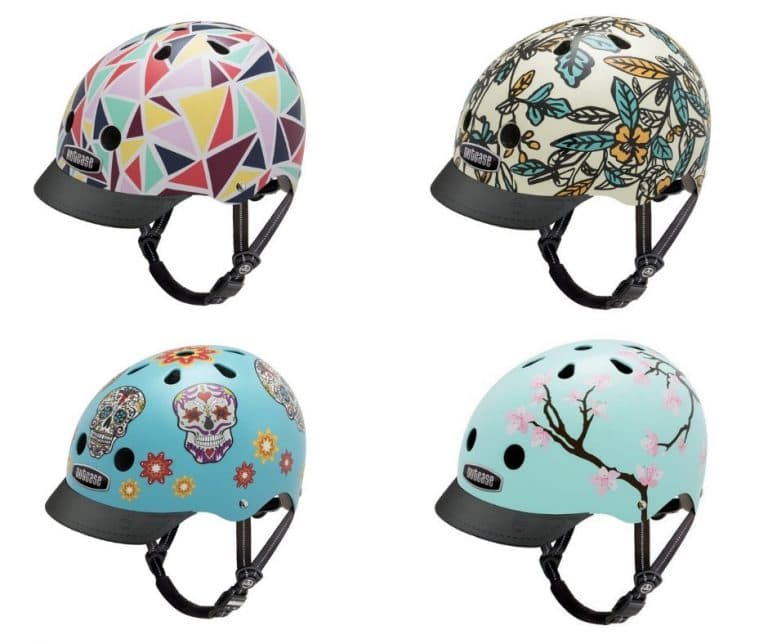
Helmets come in various designs, from vibrant colors and patterns to themes featuring popular characters or interests.

This variety ensures that every child can find a helmet they love.

Availability Of Size Options For Growing Kids

Children grow quickly, making it essential to have the right size options available as they develop.

A helmet that fits perfectly today may become too tight in just a few months.

Many manufacturers offer adjustable helmets with dial-fit systems or removable padding, allowing you to customize the fit as your child grows.

Regularly checking the fit and upgrading to larger sizes when necessary helps maintain optimal safety and comfort.

Maintenance Tips To Ensure Long-Lasting Performance Of A Child’s Bike Helmet

Regular Fit Checks for Optimal Safety

Conducting regular fit checks for kids’ helmets is essential. As children grow, their head size changes, affecting the helmet’s fit.

It’s recommended to check the helmet fit:

  • Monthly: For younger children whose growth rates are faster.
  • Quarterly: For older kids.

Signs that indicate the need for a new helmet size include:

  • The helmet no longer sits level on the head.
  • It moves more than an inch in any direction.
  • Your child reports discomfort or pressure points.

When To Replace A Child’s Bike Helmet

Helmets should be replaced under specific conditions to maintain their protective integrity:

  • After an Accident: Any significant impact can compromise the helmet’s structure, even if no visible damage exists.
  • General Wear and Tear: Helmets typically last 3-5 years. Look for signs such as cracks, degraded padding, or broken straps.

By adhering to these maintenance tips, you ensure that your child’s bike helmet continues to provide optimal safety and comfort during rides.

Retrospec Scout Kids Bike Helmet – Multi-Sport Toddler Safety Protection with 14 Vents, Adjustable Fit System, Built-in Sun Visor & Washable Interior in 2 Sizes for Boys & Girls
  • SAFETY FIRST: These kids’ bike helmets for boys and girls feature impact-absorbing foam and durable shell construction to keep your little rider protected during every adventure
  • CUSTOM FIT: Adjustable dial system and comfortable chin strap ensure this kids bicycle helmet molds securely to your child’s head for comfortable, all-day wear they’ll love
  • STAYS COOL: With 14 strategically placed vents, this Retrospec kids helmet keeps air flowing so your young cyclist stays comfortable even during long rides and hot days
  • BUILT-IN VISOR: This bike helmet for kids has an integrated sun shield helps protect little eyes from glare, giving your child clearer vision and more confidence as they master their bike or scooter
  • EASY CLEANING: Removable, washable interior padding means these kids bike helmets stay fresh and hygienic, making parents’ lives so much easier day after day

Last update on 2026-03-11 / Affiliate links / Images from Amazon Product Advertising API

Selecting the best bike helmet for your child involves balancing safety, comfort, and style.

Here are some top-rated options that excel in these areas:

Giro Fixture Youth

Key Features:

  • Safety Ratings: Compliant with CPSC and ASTM standards, ensuring robust impact protection.
  • Comfort Level: Lightweight design with ample padding for a snug fit.
  • Ventilation: Equipped with multiple vents to enhance airflow during rides.
  • Adjustability: Includes an adjustable dial fit system for easy size adjustments.
  • Stylish Designs: Available in various colors and patterns to appeal to young riders.

Giro Scamp

Key Features:

  • Safety Ratings: Meets both CPSC and ASTM safety certification requirements.
  • MIPS Technology: Integrated MIPS (Multi-directional Impact Protection System) for added safety against rotational forces during impacts.
  • Comfort Level: Lightweight and compact, designed specifically for smaller heads.
  • Chin Strap Fit: Secure the chin strap with a pinch-guard buckle to prevent discomfort.
  • Design Appeal: Comes in vibrant colors and fun graphics that kids love.

Exploring these helmets provides a solid foundation for choosing the protective gear that best meets your child’s specific needs and preferences.

Choose the Best Bike Helmet For Your Child FAQs

Why is it important to choose the right bike helmet for my child?

Selecting the right bike helmet is crucial for your child’s safety and comfort on rides. A properly fitted helmet can significantly reduce the risk of head injuries in an accident.

What safety standards should I look for in a children’s bike helmet?

Look for helmets that meet essential safety certifications, such as those from the CPSC (Consumer Product Safety Commission) and the ASTM (American Society for Testing and Materials).

Compliance with these standards ensures effective protection against impacts.

How do I ensure a proper fit for my child’s bike helmet?

To achieve a proper fit, accurately measure your child’s head circumference and adjust the helmet using the available adjustment systems.

The helmet should sit level on the head and cover the forehead adequately.

What are MIPS technology and shock-absorbing foam, and why are they important?

MIPS (Multi-directional Impact Protection System) technology enhances safety during impacts by allowing the helmet to rotate slightly upon impact, reducing rotational forces.

Shock-absorbing foam minimizes impact forces, making it an essential feature in high-quality helmets.

How can I encourage my child to wear their helmet consistently?

Choosing a helmet with appealing designs and styles can motivate children to wear them regularly.

Allowing your child to select from various stylish options can also increase their willingness to wear helmets.

How often should I check my child’s bike helmet for fit?

You should check your child’s helmet fit regularly as they grow.

Signs that indicate a need for a new size include discomfort while wearing it or if the helmet no longer sits snugly on their head.
Similar Posts

  • The Most Comfortable Girls Bike Helmets

    Key Takeaways

    Prioritize Comfort: When choosing a kids’ bike helmet, prioritize comfort to ensure an enjoyable and safe riding experience.

    Focus on Fit: Ensure the helmet fits properly by adjusting the straps and ensuring it sits level on the head to maximize protection and comfort.

    Consider Helmet Design: Look for helmets with optimal ventilation, lightweight materials, and padding to enhance comfort during rides.

    Evaluate Safety Features: Consider helmets with MIPS technology and other safety features, magnetic buckle, sun visor, and mountain bike, to provide additional protection against rotational forces during impact.

    Importance of Visor and Buckle Style: Pay attention to the visor and buckle style for added comfort and ease of use during rides.

    Comparing Helmet Types for Biking: Understand the different types of helmets available, including full face, and choose the one that best suits the specific riding needs and preferences.

    Seeking the most comfortable girls’ bike helmets? When it comes to safety and style, finding the perfect full face helmets, kids bike helmets, sun visor, and rotational impact protection can be a challenge. But fear not, as we delve into the historical evolution of biking helmets, uncovering how technology has evolved to prioritize both safety and comfort on the road. We’ll explore the top features to consider when choosing a girls’ biking helmet, ensuring that protection doesn’t compromise on comfort. From innovative designs to advanced materials, we’ll uncover the latest trends in girls’ biking helmets that combine optimal safety with unparalleled comfort, including rotational impact protection and skate style. Stay tuned for expert insights and recommendations that will make your next ride both safe and stylish.

    Comfort in Bike Helmets

    Optional Cold Weather Kits

    When it comes to comfortable girls bike helmets, look for those with optional cold weather kits and buckle. These kits provide added warmth, making it more comfortable to ride in chilly conditions. The extra insulation can make a significant difference during colder seasons.

    Consider investing in a bike helmet that offers this additional feature, especially if the rider frequently cycles in cooler climates. The ability to adjust the full face helmet for different weather conditions enhances overall comfort and ensures an enjoyable biking experience.

    Lightweight Designs

    Girls bike helmets with lightweight designs are essential for maximum comfort. A heavy full face helmet can cause strain on the neck and shoulders, leading to discomfort during extended bike rides for reasons. Opting for a lightweight helmet reduces fatigue and allows for a more enjoyable biking experience.

    Look for bike helmets constructed from advanced materials that prioritize both safety and weight. Lightweight designs also contribute to better ventilation, preventing excessive heat buildup during rides, further enhancing overall comfort.

    Adjustable Features

    When selecting a bike helmet, consider those with adjustable features for a customizable fit. Helmets with adjustable straps and retention systems ensure a snug and secure fit tailored to the individual’s head shape and size. This customization minimizes discomfort and ensures proper protection while riding a bike helmet.

    The ability to adjust the helmet’s fit provides added versatility, accommodating various head shapes and allowing for growth in younger riders on a bike. It is crucial to prioritize this feature when seeking the best and most comfortable girls bike helmets to ensure an optimal fit for enhanced comfort and safety.

    Ensuring the Right Fit

    Snug Fit

    When it comes to ensuring the right fit for girls’ bike helmets, a snug fit is crucial for the face and best. The helmet should fit comfortably on the head without being too tight, ensuring both safety and comfort. A snug fit prevents the helmet from shifting during bike rides, providing optimal protection in case of accidents.

    A snug fit ensures that the helmet stays in place even during sudden movements or impacts, offering reliable protection to your child’s head. This feature is essential for ensuring the effectiveness of the helmet in safeguarding against potential injuries.

    Adjustable Straps

    Adjustable straps are an integral part of achieving a personalized and secure fit for girls’ bike helmets. These straps allow for fine-tuning the fit according to your child’s head size and shape. They ensure that the bike helmet stays in position without causing discomfort or slippage during rides.

    The presence of adjustable straps provides flexibility in achieving a comfortable and secure fit, catering to various head sizes and shapes. It allows for easy adjustments to accommodate growth or changes in hairstyle, ensuring continuous optimal protection.

    Multiple Size Options

    Girls’ bike helmets with multiple size options offer a wide range of choices to find the perfect fit for your child. Having different sizes available enables you to select a helmet that aligns precisely with your child’s head measurements, ensuring a comfortable and secure fit.

    The availability of multiple size options caters to the diverse needs of children with varying head circumferences. This variety ensures that you can select a helmet that fits perfectly, providing maximum coverage and protection while accommodating individual preferences for style and design.

    Importance of Helmet Design

    Creative and Fun Designs

    When it comes to style helmets, choosing a design that appeals to your child can make wearing the helmet a fun and enjoyable experience. Look for helmets with vibrant colors, unique patterns, or popular cartoon characters. These creative designs not only encourage children to wear their helmets but also help in promoting safety awareness.

    Integrated Lights for Safety

    Opt for helmets with integrated lights to enhance visibility during low-light conditions. These lights provide an added layer of safety, making it easier for others to see your child while riding in the evening or early morning with a helmet. The integrated lights contribute to overall safety by increasing visibility on the road.

    Unique Styles Matching Personality

    Consider helmets with unique styles that match your child’s personality. Whether it’s a sleek and modern design or a helmet featuring your child’s favorite themes, selecting a style that resonates with their individuality can further motivate them to consistently wear their helmet. This personal touch can instill a sense of ownership and responsibility towards safety.

    Materials That Enhance Comfort

    Moisture-Wicking Padding

    When it comes to comfort, helmets with moisture-wicking padding are a game-changer. This feature ensures that the helmet head stays dry, reducing discomfort caused by sweat during long rides. The padding in the helmet absorbs moisture, keeping the rider’s head cool and comfortable throughout the journey.

    Breathable Designs

    Comfort is further enhanced by opting for helmets with breathable designs. These designs allow air to flow through the helmet, preventing overheating and ensuring that the rider remains comfortable, especially during hot weather or intense cycling sessions.

    Lightweight Construction

    One crucial aspect contributing to the comfort of a bike helmet is its weight. Look for helmets made from lightweight materials such as EPS foam and plastic. These materials provide excellent protection while ensuring that the helmet remains comfortable to wear for extended periods.

    Hair-Friendly Features

    For girls with long hair, finding a helmet that accommodates their hair comfortably is essential. Helmets with “noodle” or ponytail-friendly designs ensure that riders with long hair can wear their helmets without any discomfort or adjustment issues.

    MIPS and Safety Features

    MIPS Technology

    When it comes to safety, MIPS (Multi-Directional Impact Protection System) is a crucial factor in choosing the most comfortable girls bike helmets. MIPS technology in helmets reduces rotational forces during impacts, offering enhanced protection against brain injuries. This feature is particularly valuable for active kids who may encounter falls or collisions during their biking adventures, especially with the helmet.

    Impact-Absorbing Foam

    Look for helmets with impact-absorbing foam as one of the essential safety features. This foam material provides additional security by absorbing and dispersing the force of impacts, minimizing the risk of head injuries, helmet. Helmets equipped with this feature offer peace of mind to parents, knowing that their child’s head is well-protected while they enjoy their outdoor activities.

    Sturdy Construction

    In addition to advanced safety features, prioritize helmets with sturdy construction. A durable helmet build ensures maximum safety for your child, especially during high-impact incidents. By selecting helmets with robust materials and reliable construction, parents can rest assured that their kids are well-protected while riding their bikes.

    Visor and Buckle Style

    Removable Visor

    Look for helmets with removable visors to shield the eyes from the sun, rain, and debris while riding. This feature provides versatile protection, allowing riders to adjust based on weather conditions.

    Magnetic Buckle

    Opt for helmets with magnetic buckles for easy and secure fastening. These innovative helmet closures offer convenience and quick release, ensuring a hassle-free experience for young riders.

    Adjustable Straps

    Consider helmets with adjustable straps and buckles to ensure a customized and comfortable fit. The presence of side straps allows for fine-tuning the helmet’s position, enhancing both safety and comfort.

    Integrated Visor

    Helmets with an integrated visor provide a sleek and streamlined appearance while offering sun protection. This design reduces the need for additional accessories like a helmet, providing a seamless solution for young cyclists.

    Skate Style Design

    For a trendy and versatile option, explore helmets with a skate style design. These helmets often feature a low-profile look, adjustable straps, and a removable visor, catering to both safety and style preferences.

    Ventilation System

    Look for helmets with strategically placed vent holes to ensure proper airflow during rides. Adequate ventilation helps prevent overheating, keeping young riders comfortable throughout their cycling adventures.

    Adjustments for a Perfect Fit

    Rear Cradle

    Girls bike helmets with adjustable fit often feature a rear cradle, allowing for a customized and secure fit. The rear cradle adjustment system enables the wearer to tighten or loosen the helmet’s grip around the head, ensuring maximum comfort and safety.

    The rear cradle’s adjustable circumference provides a snug fit, preventing the helmet from shifting during rides. This feature is especially crucial for young riders, as it ensures that the helmet stays in place even during active movements, providing consistent protection.

    Fit Dial

    Helmets equipped with a fit dial offer an advanced adjustment system. The fit dial allows for precise helmet customization by simply turning the dial adjust knob. This innovative design ensures that the helmet fits perfectly on the rider’s head, offering unparalleled comfort and security.

    The adjustability of the fit dial empowers young cyclists to independently fine-tune their helmet for an ideal fit. This feature promotes a sense of ownership and responsibility while prioritizing safety by emphasizing the use of a helmet.

    Multiple Adjustment Points

    Opting for girls bike helmets with multiple adjustment points is essential for achieving a personalized and safe fit. These helmets typically include adjustable straps, chin buckles, and additional mechanisms to ensure that every aspect of the helmet can be tailored to the wearer’s unique head shape.

    Comparing Helmet Types

    Skate Style

    Skate style helmets are a popular choice for their casual and versatile design. They often feature a hard shell construction, providing excellent impact protection, like a helmet. These helmets typically have a round shape, offering coverage to the back of the head. Skate style helmets are ideal for urban riding and can be suitable for various outdoor activities beyond cycling.

    Mountain Bike

    Mountain bike helmets are specifically engineered for off-road terrain and offer enhanced ventilation to keep riders cool during intense rides. With extended visors, these helmets provide additional sun protection and shield the eyes from debris. Their aerodynamic design, including the helmet, ensures optimal airflow while navigating challenging trails, making them a preferred choice for adventurous riders.

    Cold Weather Riding

    For cold weather riding, it’s essential to look for helmets with adequate insulation and wind-blocking features. Some helmets come with removable ear pads or liners to provide extra warmth during chilly conditions. Opting for a helmet with adjustable vents allows riders to regulate airflow based on the weather, ensuring comfort in varying temperatures.

    Integrated Lights

    Helmets equipped with integrated lights offer added safety benefits, especially during low-light conditions or night rides. The built-in lights enhance visibility, making cyclists more noticeable to drivers and other road users. This feature provides an extra layer of protection, including a helmet, contributing to overall rider safety.

    Creative Designs

    Choosing a helmet with creative designs not only adds a touch of personal style but also promotes visibility on the road. Bright colors, unique patterns, and helmets make cyclists stand out in traffic, increasing their presence to motorists. Creative designs also appeal to younger riders, encouraging them to prioritize safety while expressing their individuality through vibrant helmet choices.

    Selecting the Best Helmet

    Child’s Preferences

    When selecting the most comfortable girls bike helmets, it’s crucial to consider your child’s specific needs and preferences. Take into account factors such as head size, comfort, and style when choosing a helmet. Ensure the helmet fits securely without causing discomfort during extended use.

    Safety Prioritization

    Look for helmets that prioritize safety features such as MIPS technology. This helmet feature provides added protection against rotational forces in the event of an impact, reducing the risk of brain injury. Opting for a helmet with this advanced technology can significantly enhance safety during cycling or other sports activities.

    Comfort, Style, and Safety Integration

    Opt for helmets that seamlessly combine comfort, style, and safety for the best overall choice. Seek out helmet options that offer adequate head coverage while also providing ventilation to prevent overheating. Consider helmets designed for multiple sports such as skateboarding or thrasher styles to ensure versatility and adaptability to various activities.

    Final Remarks

    You’ve learned about the key factors that make girls’ bike helmets comfortable and safe. From the importance of a proper fit to the impact of helmet design and materials, you now have the knowledge to select the best helmet for your needs. Remember, comfort and helmet are not just a luxury but crucial aspects of ensuring your safety and enjoyment while riding.

    Now that you understand the elements that contribute to helmet comfort, it’s time to apply this knowledge when choosing your next bike helmet. Look for the perfect combination of fit, design, materials, and safety features, including helmet, to prioritize both comfort and protection on your rides.

    Frequently Asked Questions

    What are the key features to consider for a comfortable girls bike helmet?

    A comfortable girls bike helmet should prioritize proper fit, lightweight materials, ventilation, and padding. Look for adjustable helmet straps and sizing options to ensure a snug yet comfortable fit.

    How can I ensure the right fit for a girls bike helmet?

    To ensure the right fit for a girls bike helmet, measure the circumference of the head, check for a snug but not tight fit, and make sure it sits level on the head. Adjust the helmet straps and pads as needed for a secure and comfortable feel.

    What role does helmet design play in enhancing comfort?

    Helmet design plays a crucial role in enhancing comfort by incorporating features such as ventilation channels, moisture-wicking padding, and lightweight construction. A well-designed helmet can offer superior airflow and reduce pressure points for added comfort during rides.

    Which materials enhance comfort in girls bike helmets?

    Materials such as EPS foam, polycarbonate shell, and moisture-wicking padding enhance comfort in girls bike helmets. These materials provide impact protection, lightweight construction, and sweat absorption to ensure a comfortable riding experience with helmet.

    What safety features should I look for in girls bike helmets?

    When selecting a girls bike helmet, prioritize safety features like MIPS technology, impact-absorbing liners, and sturdy buckles. These features enhance protection against rotational forces and impacts while maintaining comfort during rides.

  • Unlock the Magic: Discover the Most Enchanting Rainbow Bike Helmet for Girls That Everyone’s Raving About!

    Dive into the magical features of bike helmets that protect young riders and boost their confidence. From meeting CPSC safety standards to vibrant designs and customizable elements, discover how these rainbow helmets make each ride an enchanting experience. Perfect for ages 5 and up

Leave a Reply

Your email address will not be published. Required fields are marked *