
Girls’ Bike Helmets: Find a Comfortable Fit She’ll Love to Wear
Finding a helmet your daughter wants to wear gets harder when her favorite design doesn’t fit.
Girls’ bike helmets need to match her head size and riding habits while meeting U.S. safety requirements.
The right choice combines a stable fit, comfortable weight, and a look she enjoys, not just color.
Start with her riding needs, then narrow the options together.
Key Points
- Choose a helmet that fits your child’s head now, rather than buying a larger size for future growth.
- Look for a CPSC compliance label on any bicycle helmet sold for use in the United States.
- Check that the helmet sits level, stays stable, and has properly adjusted straps before every ride.
- Let your child choose colors or patterns among helmets that already meet your fit and safety requirements.
- Replace the helmet after a head impact, and follow age-related replacement and care instructions.

- In-Mold unibody technology high quality PC shell EPS foam provides shock-absorbing,making the helmet safer and more durable
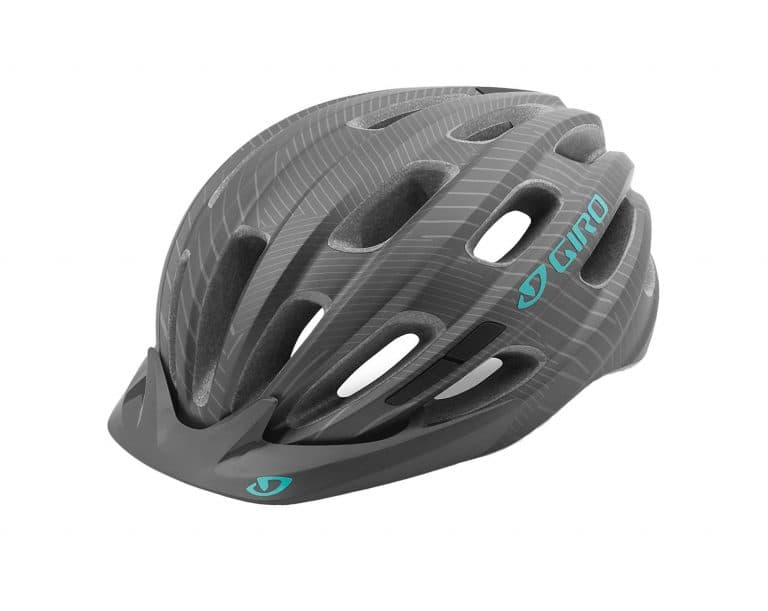
- Head Size: Easy-to-use dial fits different head sizes ,adjustable side straps to assist with a proper fit 50cm – 57cm / 19.7″-22.4″,Weight: Approx. 250g/0.55lb
- VENTILATION : 16 air flow channels,detachable visor is easy to remove and install,classical streamlined design in front,extended rear coverage adds durability and extra protection
- Warning Tail Light on the back,3 modes,Steady Flash/Slow Flash/Fast Flash ,Bring More Comfortable and Safety for your outdoor sports experience
- Rush tier strap system, soft inner pads, chin straps and chin pad with triangle regulators,high-impact buckle,quick connect/disconnect
Last update on 2026-10-21 / Affiliate links / Images from Amazon Product Advertising API
How to Choose the Best Girls’ Bike Helmets for Every Ride
Girls’ helmets aren’t a separate safety category. Compare models by fit, labeling for bicycle use, and the rides your child enjoys.
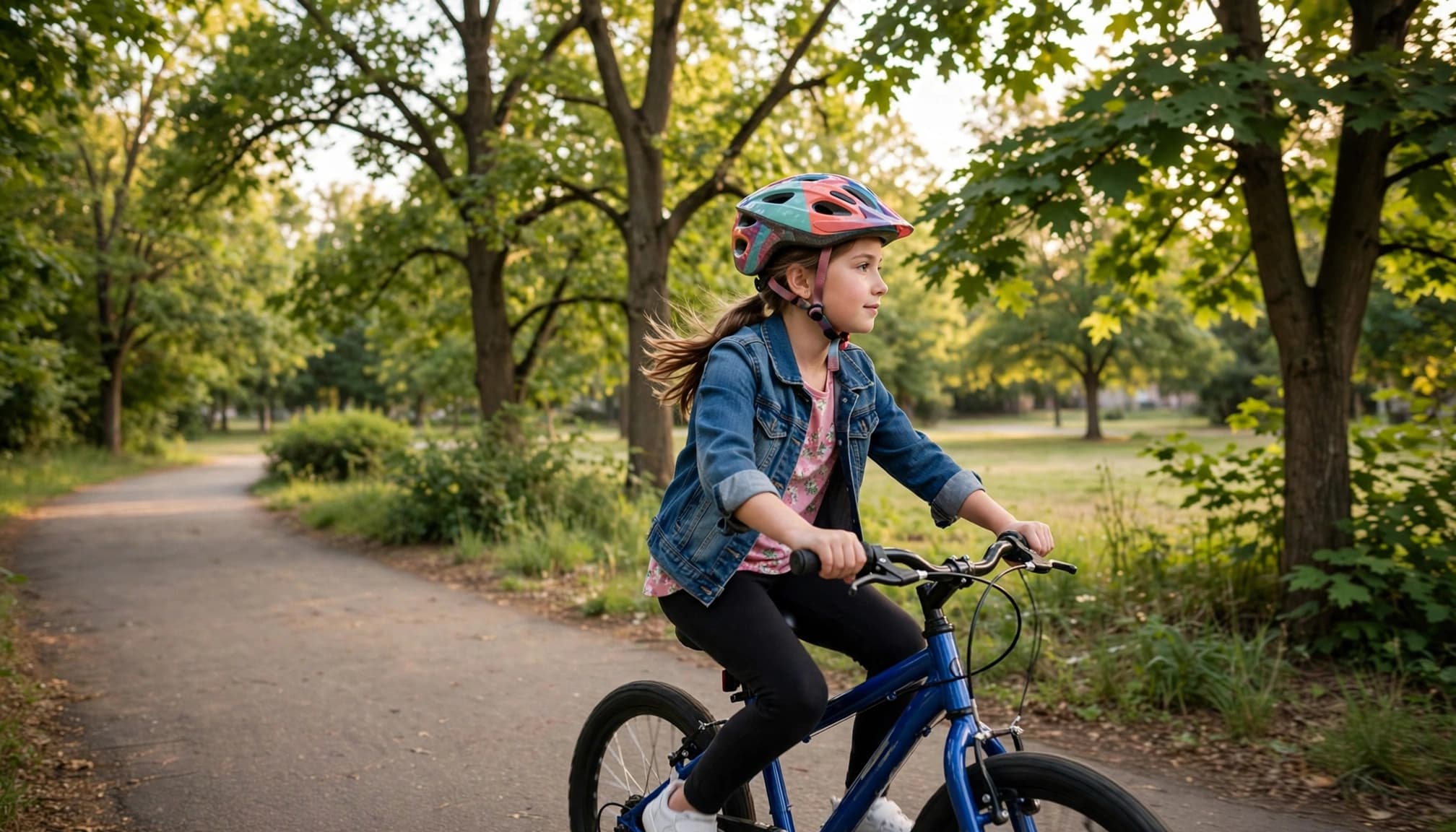
Match the helmet style to her adventures
Lightweight, well-ventilated designs can feel more comfortable during longer rides or warm weather. Meanwhile, rounder, more covered styles may appeal to children who prefer casual neighborhood biking.
However, appearance alone doesn’t tell you which activities a helmet supports. Check that it’s labeled for bicycle use. A skate-style shape doesn’t automatically make a helmet suitable for cycling.
Look for a secure fit system and easy adjustments
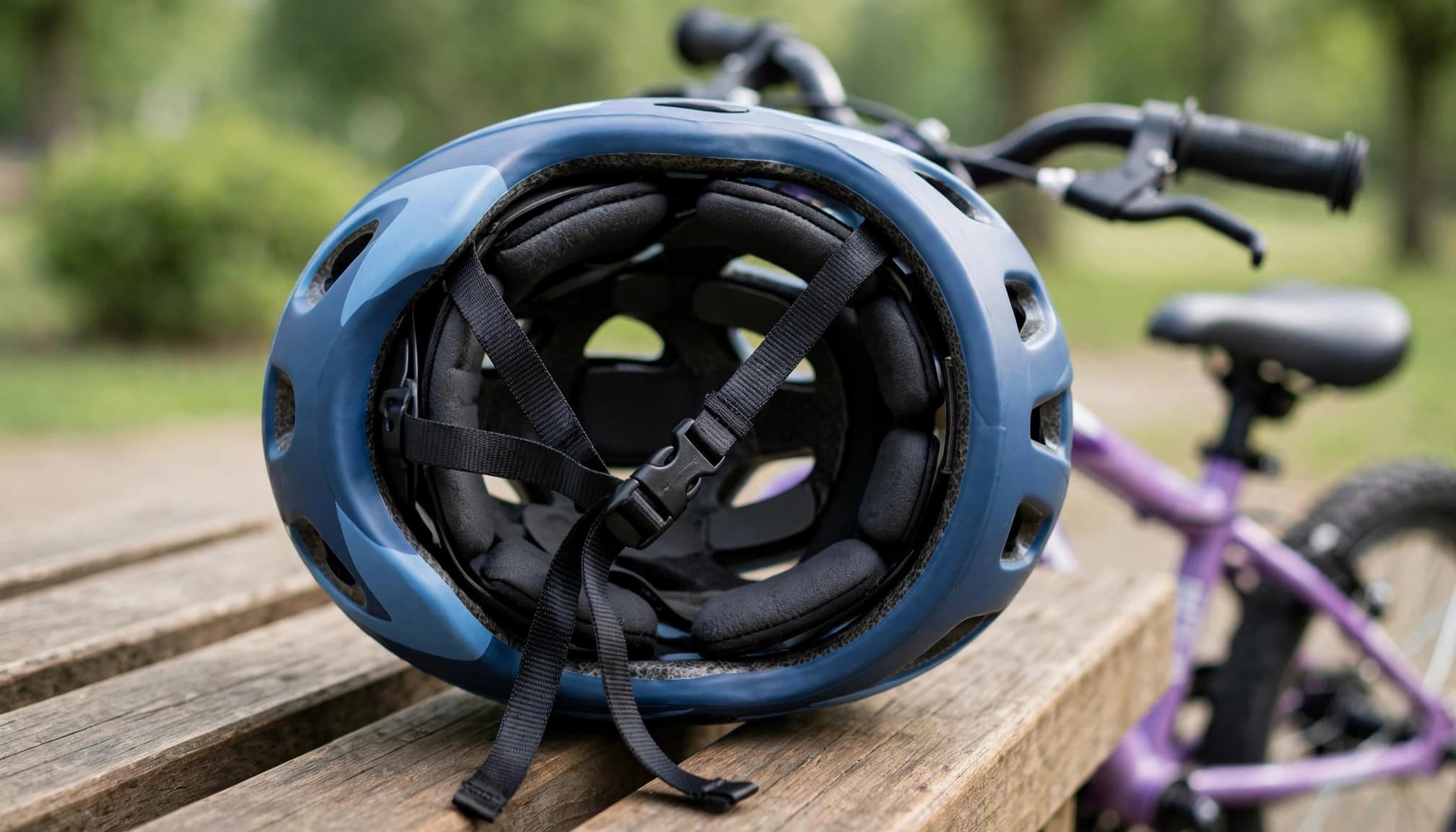
An adjustable fit ring or manufacturer-supplied padding can help the helmet sit snugly. Try the adjustments with your child, and check for pressure points before buying.
Because sizing varies by brand, measure her head and compare the result with the manufacturer’s chart. The girls’ helmet size and fit guide offers additional help understanding sizing and adjustment options.
Check Safety, Fit, and Comfort Before You Buy
U.S. bicycle helmets should carry a CPSC compliance label. ASTM F1447 is voluntary and doesn’t replace CPSC compliance, as the CPSC’s recreational helmet standards guidance explains.
Next, try the helmet on your child. A size chart helps narrow the search, but an in-person fit check catches problems.
Make sure the helmet sits level and stays put
Follow these steps with the helmet buckled:
- Position it low and level, about one or two finger-widths above the eyebrows.
- Adjust the fit ring or approved pads so it doesn’t rock forward, backward, or sideways.
- Arrange the side straps into a V under each ear.
- Snug the chin strap, leaving room for no more than one or two fingers.
- Ask her to open her mouth wide. The helmet should pull down against her head.
The CDC’s bike helmet safety guide provides more guidance on fit. If the helmet still shifts, try another size or shape.
Balance ventilation, weight, and a style she likes
Vents and a comfortable, light feel can make longer rides more enjoyable. Have her wear each candidate for several minutes, because discomfort may take time to appear.
Then let her choose among suitable colors and patterns. Personal taste can encourage regular use, but fit and CPSC compliance should always take priority over style.
Key Features to Look For in Girls’ Bike Helmets
Selecting the right bike helmet for girls depends on several key features that ensure safety and comfort.
Here are a few critical elements to consider when shopping for a bike helmet:
1. **Safety Certification**: Always check for safety certifications from organizations like the Consumer Product Safety Commission (CPSC) or the American Society for Testing and Materials (ASTM). These ensure the helmet meets rigorous safety standards.
2. **Proper Fit**: A good helmet should sit level on the head, covering the forehead and snugly fitting without causing discomfort. Most helmets come with adjustable straps and padding to achieve the perfect fit.
3. **Ventilation**: Since biking can be a high-energy activity, it’s essential for a helmet to have adequate ventilation. Look for helmets with multiple vents to allow airflow and keep your child’s head cool during rides.
4. **Weight**: Lightweight helmets provide comfort for longer rides. A heavier helmet might be protective, but it can strain a child’s neck and make biking less enjoyable.
5. **Style and Color**: Girls often appreciate helmets that reflect their personal style. Fun colors, patterns, and designs can make wearing a helmet more appealing and encourage consistent use.
By examining these key features and considering your child’s preferences, you can ensure that they have a helmet they will love to wear, making safety a natural part of their biking experiences.

- Reliable Certified Protection: This kids’ bicycle helmet features a durable, impact-resistant PC shell, high-density shock-absorbing EPS foam, and soft sponge padding, giving kids multiple and reliable protection. It complies with U.S. CPSC 1203 and ASTM F1447 safety standards for added peace of mind
- Super Light and Comfortable: Our girls bike helmet with Lightweight PC shell, only weight 230g, lighter than standard ABS helmets and reduces pressure on child’s neck, allowing hours of comfortable wear; This skateboard helmet has 11 vents to keep child’s head cool during outdoor fun; The sweat-absorbing inner pads are easy to remove and clean, the skin-friendly chin pad is soft to wear
- Adjustable Helmet for Kids 3-14: This skate helmet is designed to grow with your child from toddler to teen. Choose Size S for ages 3-8 (Head: 19.3-21.7in / 49-55cm) or Size M for ages 8-14 (Head: 20.5-22.8 in / 54-58 cm), just easily adjust the helmet’s knob to fit your child’s head while the adjustable straps provide a secure fit; Please measure head circumference before purchase, if kid is between sizes, choose the larger one
- Safety Meets Style Helme: Our scooter helmet for kids comes in bright colors and a stylish design; It includes 2 DIY cat ears that can be easily attached for an extra cute touch; You can adjust the cat ears for different looks; Ideal present for kids who love stylish and cute helmet
- Helmet for Various Sports: This girls helmet is designed to keep kids safe during a variety of outdoor activities; Whether they’re cycling, skateboarding, roller skating, scootering, or any other sport, our youth bike helmet offers reliable protection, it’s ideal for active kids who love adventure and fun
Last update on 2026-10-21 / Affiliate links / Images from Amazon Product Advertising API
Tips for Proper Helmet Fit and Care
A helmet is only effective if it is worn and maintained properly.
Here are essential tips for ensuring a perfect fit and care of a bike helmet:
1. **Fit Testing**: To test for fit, place the helmet on your child’s head and ensure that it sits level and covers the forehead. The side straps should form a “V” shape under the ears, and the chin strap should fit snugly without being too tight.
2. **Adjustments**: Many helmets come with adjustable features. Make sure the fit system is secure, and check it regularly, especially if the child has grown or the padding has compressed over time.
3. **Cleaning**: Helmets can accumulate dirt and sweat. Use a cloth and mild soap to clean the outer shell, and remove the internal padding for a deeper clean when needed.
4. **Storage**: Store the helmet in a cool, dry place away from direct sunlight. Excessive heat can damage the helmet’s materials and affect performance.
5. **Replace When Necessary**: If a helmet has been involved in a crash or shows visible signs of damage, it should be replaced immediately. A helmet that has absorbed a significant impact may no longer provide adequate protection.
By following these fitting and care guidelines, you’ll not only keep your child’s helmet effective but also build habits that promote safety and longevity in their biking gear.
Encouraging Safe Biking Habits
While wearing a helmet is crucial, it’s part of a broader approach to two-wheeled safety.
Here are some strategies to encourage safe biking habits in your young cyclist:
1. **Set an Example**: As a parent or guardian, model safe biking behavior. Always wear your helmet and follow road safety rules, as children often mimic adult actions.
2. **Teach Traffic Rules**: Spend time discussing essential traffic signs, signals, and road etiquette. Encourage your child to look both ways, signal when turning, and respect pedestrian crossings.
3. **Choose Safe Routes**: Select biking paths, parks, and quiet streets for riding. Familiar routes help build confidence, allowing your child to focus on their surroundings rather than potential dangers.
4. **Practice Makes Perfect**: Dedicate time to practice various biking skills, such as stopping, turning, and navigating obstacles. Confidence develops with practice, making safe riding second nature.
5. **Encourage Group Rides**: Biking with friends or family fosters a sense of community and accountability. Group rides can be both fun and educational, as peer influence reinforces safety habits. By creating a framework of safe biking experiences, you can help instill lifelong cycling habits that prioritize safety and enjoyment.
Our Conclusion
In conclusion, equipping your young girl with the best bike helmet is a crucial step toward endless active adventures.
From understanding safety features to choosing the right fit and properly maintaining the helmet, these practices help ensure a safer biking experience.
Additionally, integrating safe biking habits into your routine can significantly enhance your child’s confidence and enjoyment while cycling.
Ultimately, investing in a fun helmet that reflects their personality will encourage consistent use and foster a passion for an active lifestyle.
Now is the time to take action—prioritize your child’s bicycle safety today and watch them thrive on their biking adventures!
Action Steps
1. Assess your child’s current bike helmet for any signs of wear or damage.
2. Visit a local bike shop or online store to research and compare girls’ bike helmets. 3. Involve your child in the selection process to ensure they find a helmet they love.
4. Conduct a proper fit test to ensure any purchased helmets fit correctly.
5. Establish a regular cleaning and maintenance schedule for the helmet.
6. Discuss road safety and essential biking skills with your child.
7. Plan family or group biking outings to promote safe, enjoyable cycling experiences.
8. Monitor your child’s biking habits and adjust routes for safety as needed.
9. Celebrate biking milestones, reinforcing positive behavior that incorporates safety.
10. Review and upgrade your child’s helmet as they grow or as safety standards evolve.

- 【RELIABLE SECURITY】The kids helmet uses advanced technology to tightly combine sturdy PC shell with impact resistant EPS, making the helmet safer and more durable. Trustworthy CE+CPSC dual certification
- 【360° PROTECTION】The full-coverage construction of this kids bike helmet provides all-round protection for children’s heads including the back of the head. Suitable for a wide range of sports types
- 【COOL VISOR】The removable visor protects the children’s eyes from direct sunlight and the skin of their faces from being scratched by tree branches while not blocking the view
- 【GREAT FIT】This bike helmets for kids has two adjustable positions. Children can easily snap on/of and adjust it by themselves to find their most comfortable state
- 【EXCELLENT VENTILATION】15 vents create a perfect air circulation system for this girls and boys bike helmet which help to reduce air resistance during multi-sports and keep the head cool and comfortable at all times
Last update on 2026-10-21 / Affiliate links / Images from Amazon Product Advertising API
Keep Her Helmet Ready for the Next Adventure
Replace a helmet after an impact
Replace the helmet after a crash in which your child hits her head, even without visible damage. You can’t judge its remaining protection by appearance.
Materials also age. The American Academy of Pediatrics recommends replacing helmets every five years or on the manufacturer’s schedule. Follow any earlier replacement deadline the maker gives. Avoid used helmets when their age or crash history is unknown.
Follow its cleaning and storage instructions
Use the maker’s cleaning directions, including instructions for removable pads. Don’t improvise with strong cleaners, paint, or alterations that the manufacturer hasn’t approved.
Store the helmet as directed, and regularly inspect its shell, liner, straps, and buckle. Also, check the fit again after adjusting pads or changing your child’s riding hairstyle.
Frequently Asked Questions
Are girls’ bike helmets different from boys’ helmets?
Gender labels mainly describe a model’s intended style or marketing. Colors, graphics, and size options vary, but any child can wear a helmet that meets bicycle safety requirements and fits correctly.
How do I measure my child’s head for a helmet?
Wrap a soft measuring tape around the widest part of her head, just above her eyebrows and ears. Keep it level, record the circumference, and compare it with that helmet maker’s size chart.
Can my child wear a helmet that feels a little loose?
A helmet should feel snug without discomfort and shouldn’t shift when she shakes her head. If adjustments can’t make it stable, choose another size or model rather than accepting extra room.
Should my child wear a helmet for short bike rides?
Yes, use a properly fitted, CPSC-compliant helmet on every ride, including quick trips close to home. Make buckling it part of getting ready, even when she’s staying on your street.
When should a child’s bike helmet be replaced?
A crash involving a head impact calls for replacement immediately, even if the helmet looks intact. Age and wear also matter: follow the manufacturer’s instructions and the AAP’s five-year guidance.
Choose Together, Then Recheck as She Grows
Confirm CPSC compliance and get a snug, stable fit before letting your daughter choose her favorite look. That keeps shopping focused while giving her a say.
As she grows, check the fit again rather than assuming last season’s adjustments still work. A helmet she enjoys should also stay securely in place.