
Bike Helmet Safety: Unveiling MIPS Technology
Key Takeaways
- Always prioritize wearing a bike helmet to reduce the risk of head injuries in accidents.
- Look for helmets with MIPS (Multi-directional Impact Protection System) technology for enhanced safety during rotational impacts.
- For optimal protection, consider helmet design features such as extended coverage and impact-absorbing materials.
- Ensure proper helmet fit by adjusting the straps and ensuring a snug, comfortable fit on the head.
- Teach children the importance of wearing helmets and lead by example by consistently wearing one yourself.
- Stay informed about local helmet laws and adhere to them to promote safety within your community.

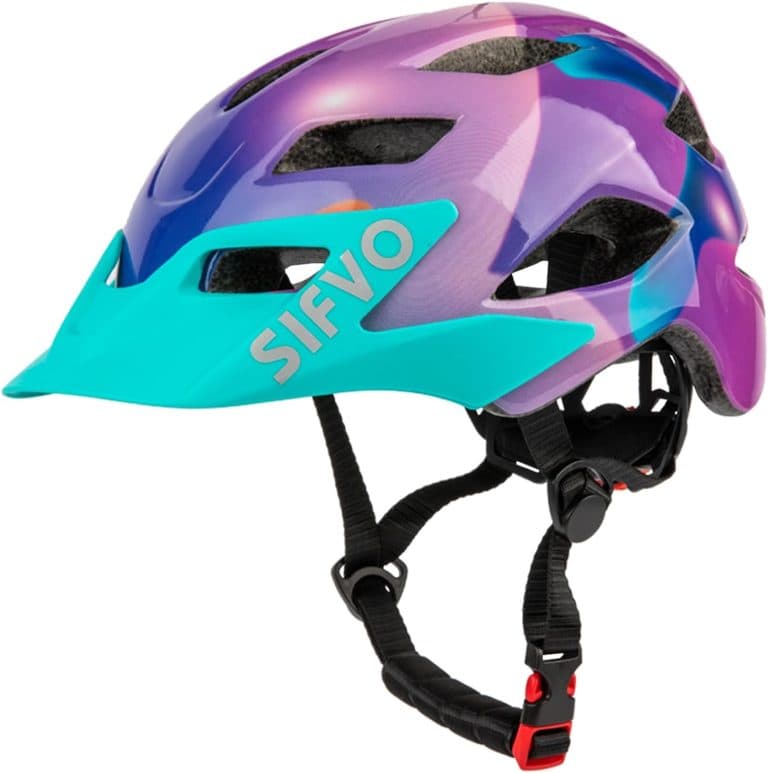
- Activity: commuting
- Visor: yes
- Multiple Impact: MIPS
- Certifications: Complies with U.S. CPSC Safety Standard for Bicycle Helmets for Persons Age 5 and Older, CE EN 1078
- Fit Adjustment: dial fit system, magnetic fastener
Last update on 2026-10-16 / Affiliate links / Images from Amazon Product Advertising API
Did you know that nearly 60% of bicycle-related fatalities involve head injuries? This startling statistic underscores the importance of bike helmet safety.
Protecting your head should be non-negotiable whether you’re a casual rider or a dedicated cyclist.
We’ll explore the key features to look for in a reliable helmet, debunk common myths surrounding helmet use, and provide practical tips for ensuring optimal protection on every ride.
Why Bike Helmets Matter
Injury Prevention
Wearing a bike helmet is crucial for injury prevention.
Statistics reveal that helmets can reduce the risk of head injuries by up to 85% in cycling accidents.
This means that in the event of a crash, wearing a helmet significantly lowers the chances of sustaining a severe head injury.
The helmet’s protective cushioning and sturdy outer shell absorb and distribute the impact forces, safeguarding the rider’s head from trauma.
Impact on Head Injuries
The impact of not wearing a helmet while biking can be devastating.
Without this essential safety gear, riders are vulnerable to traumatic brain injuries, skull fractures, and concussions in case of accidents.
The absence of head protection increases the likelihood of sustaining life-altering injuries that may result in long-term disabilities or even fatalities.
Legal and Safety Obligations
In many regions, wearing a bike helmet is a safety precaution and a legal requirement. Failing to comply with this regulation could lead to fines or penalties.
Moreover, it’s important to recognize that no matter how skilled or cautious a cyclist may be, unforeseen circumstances, such as collisions with vehicles or unexpected obstacles on the road, can occur.
Therefore, it’s imperative to prioritize safety by consistently donning a helmet during every ride.
MIPS Technology Explained
How MIPS Works
MIPS (Multi-directional Impact Protection System) is a revolutionary technology that reduces rotational forces during impacts.
Unlike traditional helmets, which offer only linear impact protection, MIPS helmets have a low-friction layer between the outer shell and the liner.
This allows the helmet to rotate slightly upon impact, redirecting rotational forces and reducing the risk of brain injuries.
MIPS technology mimics the brain’s protective mechanism by allowing small movement between the head and the helmet.
This movement helps to mitigate the rotational forces that can cause brain injuries, such as concussions, in certain types of impacts.
Enhanced Protection
MIPS helmets are specifically engineered to provide additional protection against certain head injuries, especially those resulting from angled impacts commonly experienced in real-life accidents.
By addressing rotational forces, these helmets offer a higher safety level than traditional designs.
The inclusion of MIPS technology in helmets has been shown to significantly reduce the risk of traumatic brain injury resulting from rotational motion.
Research studies have demonstrated that helmets with MIPS can decrease the strain on the brain during an oblique impact by absorbing and redirecting harmful rotational energy.
Benefits of Choosing MIPS Helmets
Opting for a helmet featuring MIPS technology offers several key benefits for cyclists.
Firstly, it provides an additional layer of protection, specifically targeting rotational impacts, which are common in cycling accidents.
This means that riders can have greater confidence in their safety while enjoying their biking activities.
Furthermore, MIPS-equipped helmets have gained recognition for their ability to reduce the risk of sustaining severe head injuries due to rotational forces.
As a result, individuals who prioritize safety during cycling can make an informed choice by selecting a helmet integrated with this advanced technology.
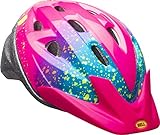
- STYLE & DESIGN – Designed after the tried and true classic bicycle helmet, low profile with great coverage in a variety of colors.
- FIT SYSTEM – Features our True Fit system for easy one step adjustment every time you ride, it’s that simple!
- PINCH GUARD – The patented Pinch Guard buckles ensures pinch free buckling.
- COMPLIANCE – Complies with the U.S. CPSC Safety Standard for Bicycle Helmets for Persons Age 5 and Older.
- SPECIFICATION – Recommended for children ages 5-8, but will fit most heads measuring 52-56cm. Important: Always take a head measurement. Head sizes and shapes can vary, even within an age range. Using a helmet that does not fit can be dangerous.

Last update on 2026-10-16 / Affiliate links / Images from Amazon Product Advertising API
Design Impacts on Helmet Safety
Aerodynamics
Aerodynamics plays a crucial role in helmet safety.
The helmet’s design impacts its ability to reduce wind resistance, enhancing stability and control for the rider.
A well-designed aerodynamic helmet minimizes drag, reducing the risk of accidents caused by sudden movements due to wind force.
The helmet’s shape and contours are engineered to streamline airflow, ensuring a smooth and steady ride.
By reducing air resistance, aerodynamic helmets contribute to overall safety by providing better handling and maneuverability for cyclists.
Ventilation
Helmet design influences ventilation, which is vital for comfort and performance. Proper ventilation prevents overheating and discomfort during long rides.
Helmets with strategic vent placement allow airflow, keeping the head cool and dry while maintaining optimal safety standards.
Innovative designs incorporate channels and vents that facilitate air circulation without compromising protection.
Effective ventilation enhances comfort and reduces fatigue, enabling cyclists to stay focused on the road ahead.
Safety Standards
Choosing a well-designed helmet that meets safety standards is paramount for every cyclist.
Helmets certified by recognized safety organizations adhere to rigorous testing procedures, ensuring they provide adequate protection in case of impact.
Certified helmets undergo extensive evaluations for impact absorption, retention system strength, peripheral vision coverage, and chin strap effectiveness.
By selecting a helmet that complies with safety standards, cyclists can significantly mitigate the risks associated with head injuries during accidents.
Key Helmet Safety Features
Impact-Absorbing Materials
Bike helmets are designed with impact-absorbing materials like expanded polystyrene (EPS) foam.
This material is crucial for reducing the force of impact during a crash, thus protecting the rider’s head from severe injuries.
The EPS foam compresses upon impact, absorbing and dispersing the energy to minimize trauma to the head.
Proper Helmet Fit
Proper helmet fit is essential for ensuring maximum safety.
A well-fitted helmet should sit level on the head, covering the forehead with minimal movement when shaken.
It should have adjustable straps to secure a snug fit and prevent it from shifting during a collision.
Ensuring a proper fit significantly reduces the risk of head injuries in case of an accident.
Helmet Certifications
When purchasing a bike helmet, it’s crucial to look for certifications from recognized organizations such as the Consumer Product Safety Commission (CPSC), Snell Foundation, or ASTM International.
These certifications indicate that the helmet has undergone rigorous testing to meet specific safety standards.
Helmets meeting these standards offer cyclists confidence in their protective capabilities and ensure that they provide adequate safeguarding against potential head injuries.
Proper Helmet Fitting Tips
Strap Adjustment
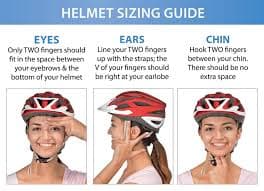
Adjust the straps to form a V shape under each ear when fitting a bike helmet.
The buckled chin strap should be snug but comfortable, allowing no more than one or two fingers between the strap and your chin.
Ensure the Y-shaped straps meet below your ears, creating a comfortable fit.
The side straps should make a “Y” shape that meets just below your ears.
Positioning and Stability Check
To ensure proper positioning, place the helmet on your head so it sits level and low on your forehead—about two finger-widths above your eyebrows.
The helmet should not tilt back, obstructing your vision.
Next, adjust the rear stabilizer if present to ensure a snug fit. This will prevent helmet movement during a ride, providing added protection in case of an impact.
Snug Fit Importance
A snug fit is crucial for optimal protection in a fall or collision. A loose helmet may not provide adequate safety in such situations as it can shift or come off during impact.
Remember to always replace a helmet if it has been involved in a crash, even if there are no visible signs of damage.
The structural integrity may have been compromised, reducing its effectiveness in subsequent accidents.

- Bicycle helmets that are designed to fit youth, recommended head circumference of 55-58 cm, ideal for children 8 to 14 years old
- Experience Full Schwinn 360° Comfort with easy-adjust dial fit knob and full coverage padding, plus adjustable side and chin straps for a perfectly customized fit
- Two microshell layers and full-coverage EPS foam construction offering enhanced durability while remaining lightweight for comfort and protection
- Removable visor helps protect your eyes from the sun, wind, and rain, while 20 air vents will keep you cool and comfortable on hot summer rides
- Complies with U.S. CPSC Safety Standard for Bicycle Helmets for Persons Age 5 and Older
Last update on 2026-10-16 / Affiliate links / Images from Amazon Product Advertising API
Ensuring Kids Wear Helmets Right
Importance of Early Helmet Habits
It is crucial to instill in children the habit of wearing a bike helmet from an early age. Early adoption of this practice sets the foundation for a lifetime of safe cycling.
By making it a routine, children internalize the importance of protecting their heads while riding.
Selecting the Right Helmet
When choosing a helmet for kids, safety and fit must be prioritized. Opt for helmets that meet safety standards, such as CPSC or Snell.
Ensure a snug fit by measuring your child’s head circumference and selecting the appropriate size.
Look for helmets with adjustable straps and padding to customize the fit.
Making Helmet-Wearing Fun
To make helmet-wearing enjoyable for kids, involve them in the selection process. Allow them to choose a helmet featuring their favorite colors or characters.
Encourage creativity by letting them decorate their helmets with stickers or reflective tape.
Consider setting a positive example by wearing your helmet when cycling together.
Understanding Helmet Laws
Importance of Regulations
Helmet laws play a crucial role in ensuring the safety of cyclists across different regions.
These laws are designed to reduce the risk of head injuries and fatalities by mandating protective headgear while riding bicycles.
They create a standard for safety, emphasizing the significance of wearing helmets as a preventive measure against severe head trauma.
Penalties and Consequences
Non-compliance with helmet laws can result in various penalties and consequences.
Depending on the specific regulations in their area, cyclists may face fines, warnings, or even legal action for not wearing helmets.
Moreover, failure to adhere to these laws can increase the likelihood of sustaining serious head injuries in case of accidents, leading to long-term health implications and potential fatalities.
Overview of Common Laws
In many regions, helmet laws require cyclists, especially minors, to wear helmets while riding bikes.
For instance, all cyclists under 18 in California must wear helmets, regardless of their biking location. Similarly, Australia has stringent helmet laws that mandate approved safety helmets for cyclists of all ages.
These regulations aim to instill a culture of safety consciousness among cyclists and promote responsible biking practices.

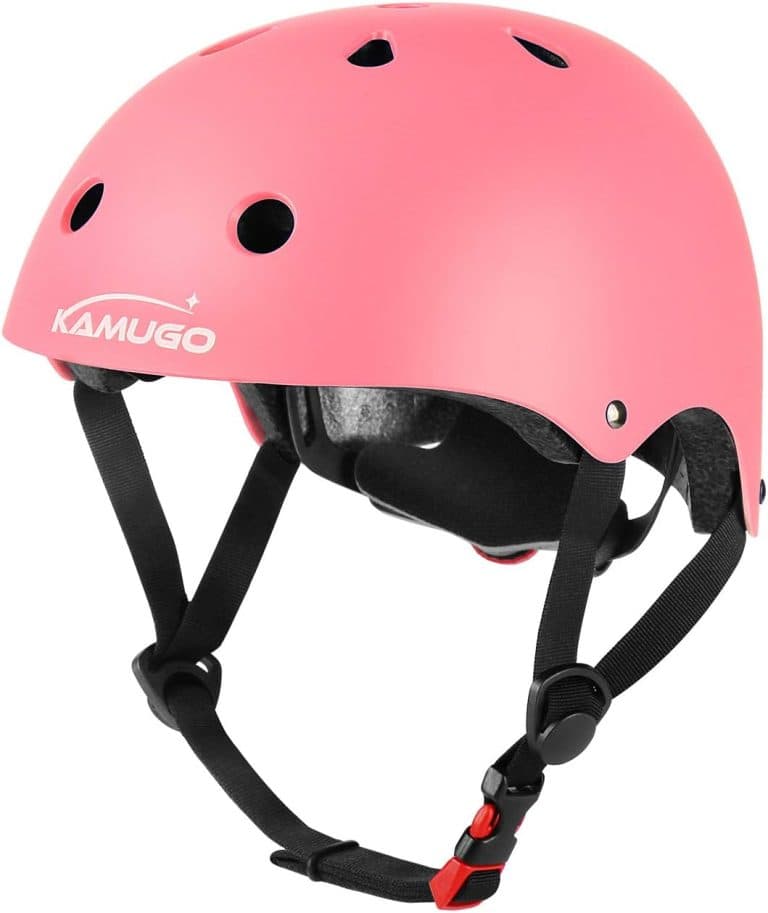
- 【Lifetime Customer Service】: The Helmet is the perfect choice for the protection of your child and toddler. Your child will have the protection meet the standard. As designed with multiple vents, special aerodynamic design and breathable foam, the skate helmets help reduce sweating, adjustable straps can adjust and lock the position of the helmet.
- 【HEAD SIZE】 : Small:19.7 – 22.1 inch(50–56 cm) suitable for 5-8-9 years old kids; M: 21.7 – 23.2 inch (55–59 cm) suitable for 10-14-16 years old Youth. The CELOID kids helmet fit system and additional pads are designed to grow with your child’s head.
- 【Wonderful Material】: This small kids protective gear set is adopted anti-scratch high hardness PE shell padded with Soft EVA material. Safety BREATHABLE, WASHABLE!Those high-quality liners are not only durable for many years, but also breathable. Adopted ventilate fabric to keep cool and clean while biking, riding, cycling and skateboarding. Not just Safety but with all elements for you, child, kids and toddler.
- 【WIDE APPLICATION】: The kids helmet and knee elbow pads with wirst guards are designed for kids sports saftey protection especially for any outdoor activities for many outdoor sports such as skating, skateboard, riding bikes, scooters roller, blading cycling, biking,balance bike ice and roller cycling skating, rolling, ATV, BMX and other extrem sports. Our goal is keep our kids away from hurt when they enjoy the joy of sports.
- 【PERFECT GIFT CHOICE】: Great holiday gifts for your boys and girls! It is a good choice as Children’s Day gift, Christmas gift, birthday gift and other festival gift, the child will be overjoyed when he/she receive your present!If any problem any question or suggestions at any time about this kids safety gear set , please feel free to email us seller via Amazon message, we will provide you good solutions ASAP, thank you so much for your choosing.
Last update on 2026-09-19 / Affiliate links / Images from Amazon Product Advertising API
When to Replace Your Helmet
Recommended Lifespan
A bike helmet’s recommended lifespan is typically around 3-5 years from the date of purchase.
This guideline is based on the general wear and tear helmets endure over time, which can compromise their effectiveness in protecting the rider.
Signs of Wear and Tear
Visible cracks, dents, or deformations in the outer shell are signs of wear and tear that indicate the need for helmet replacement.
If the inner foam padding starts to deteriorate or becomes compressed, it indicates that the helmet needs to be replaced for optimal safety.
After a Crash or Impact
After a crash or impact, it’s crucial to replace your helmet immediately, even if there are no visible signs of damage.
The force absorbed by the helmet during an impact can weaken its structure, rendering it less effective in safeguarding against subsequent accidents.
In such instances, it’s essential to replace the helmet and inspect other components of your biking gear for potential damage.
This includes checking for any structural issues with your bicycle and ensuring that all other protective equipment remains intact and functional.
Closing Thoughts
You’ve learned about the critical importance of bike helmet safety and the key features that make a difference.
Understanding MIPS technology, design impacts, proper fitting, and the relevance of helmet laws has equipped you to make informed decisions for your safety and that of your loved ones.
Remember, a well-fitted helmet with advanced safety features can significantly reduce the risk of head injuries in case of a fall or collision.
Take the time to assess your current helmet for wear and tear and ensure it meets safety standards. Encourage others in your community to prioritize helmet safety, too.
By staying informed and proactive, you create a safety culture for all cyclists.
Stay safe, ride responsibly, and always wear your helmet!
Frequently Asked Questions
Are bike helmets really necessary for safety?
Yes, bike helmets are crucial for safety. They protect your head in the event of a fall or collision. Wearing a helmet significantly reduces the risk of severe head injuries and can potentially save your life.
What is MIPS technology in bike helmets?
MIPS (Multi-directional Impact Protection System) is a specialized technology that allows the helmet’s outer shell to slide relative to the head during an angled impact. This helps reduce rotational forces on the brain, protecting against certain impacts.
How does helmet design affect safety?
The design of a helmet plays a significant role in its safety performance. Factors such as ventilation, impact absorption materials, and overall structural integrity contribute to the level of protection provided by the helmet.
What are the key features to look for in a safe bike helmet?
Look for key features such as MIPS technology, a durable outer shell, an impact-absorbing liner, a secure fit system, proper ventilation, and compliance with safety standards. These features ensure optimal protection and comfort while riding.
How can I ensure that my bike helmet fits properly?
To ensure a proper fit, make sure the helmet sits level on your head, snug but not too tight, and does not move when you shake your head. The front edge should be one or two finger widths above your eyebrows, and the straps should form a V under each ear.
At what age should children start wearing bike helmets?
Children should start wearing bike helmets when they begin riding tricycles or bicycles. This habit should be instilled from an early age to establish a lifelong practice of prioritizing safety while biking.
How often should I replace my bike helmet?
It is recommended that you replace your bike helmet every 5-7 years or sooner if it has been involved in a crash or sustained damage. Over time, materials degrade, and impact absorption capabilities may diminish. Regularly inspect your helmet for signs of wear and tear.



One Comment